I was contacted in May of 2026 to work on an upcoming project for Harbor Picture Company and Razorfish. It was to be an experiential show case of 4 upcoming aircraft for Northrup Grumman, and would be a part of one of the many America 250th celebrations around the country in July of that same year. While most of America 250 was shrouded in the ugliness of politics at the time, this project seemed fairly innocuous by comparison.
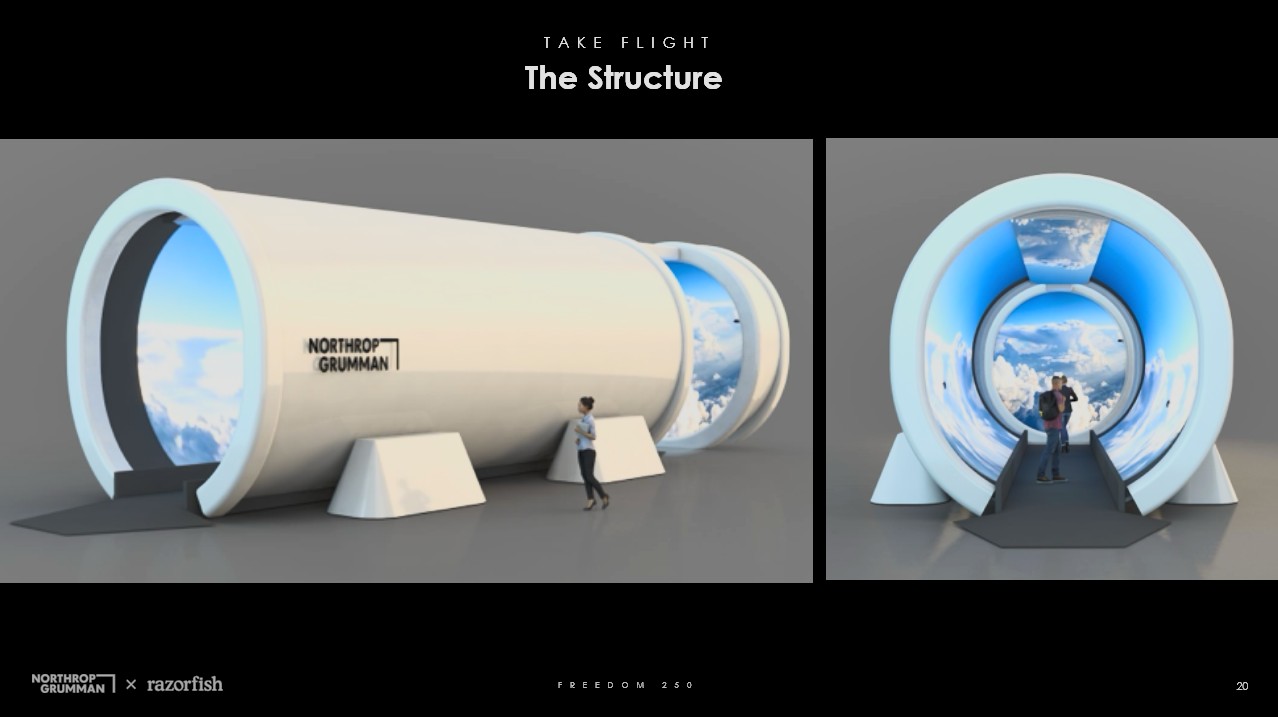
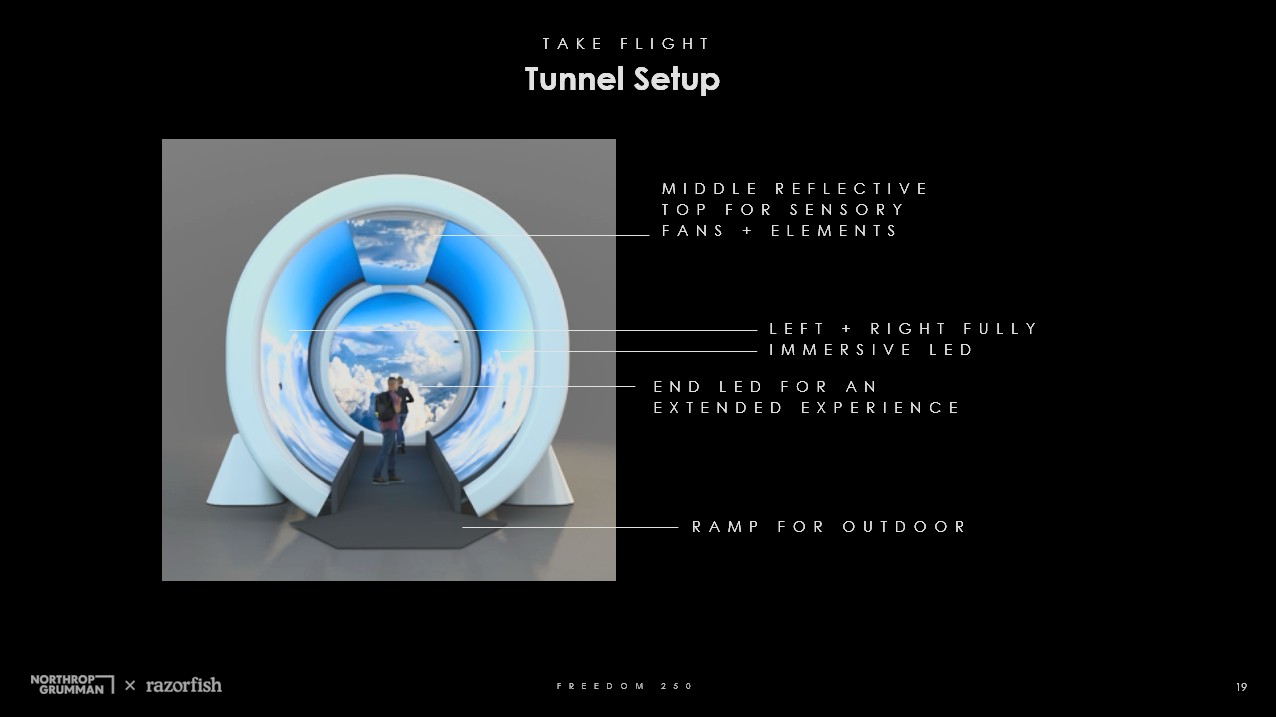
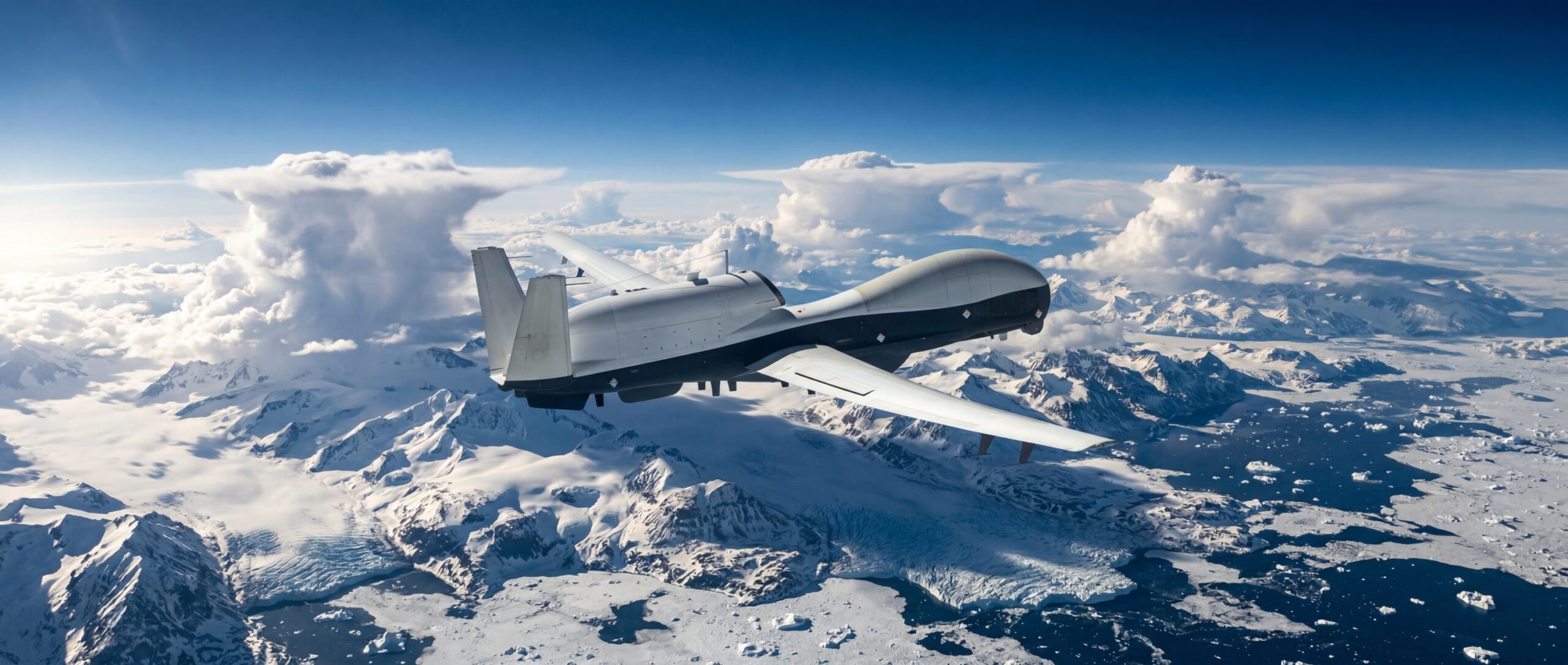
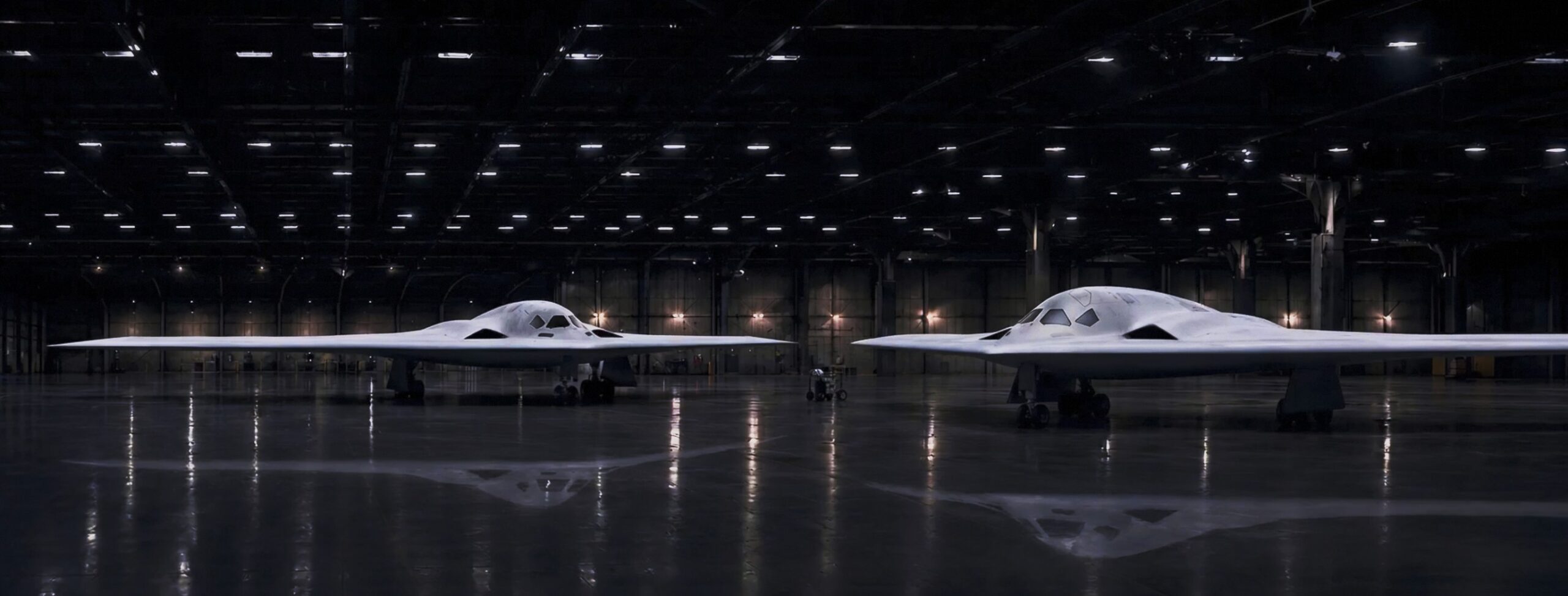
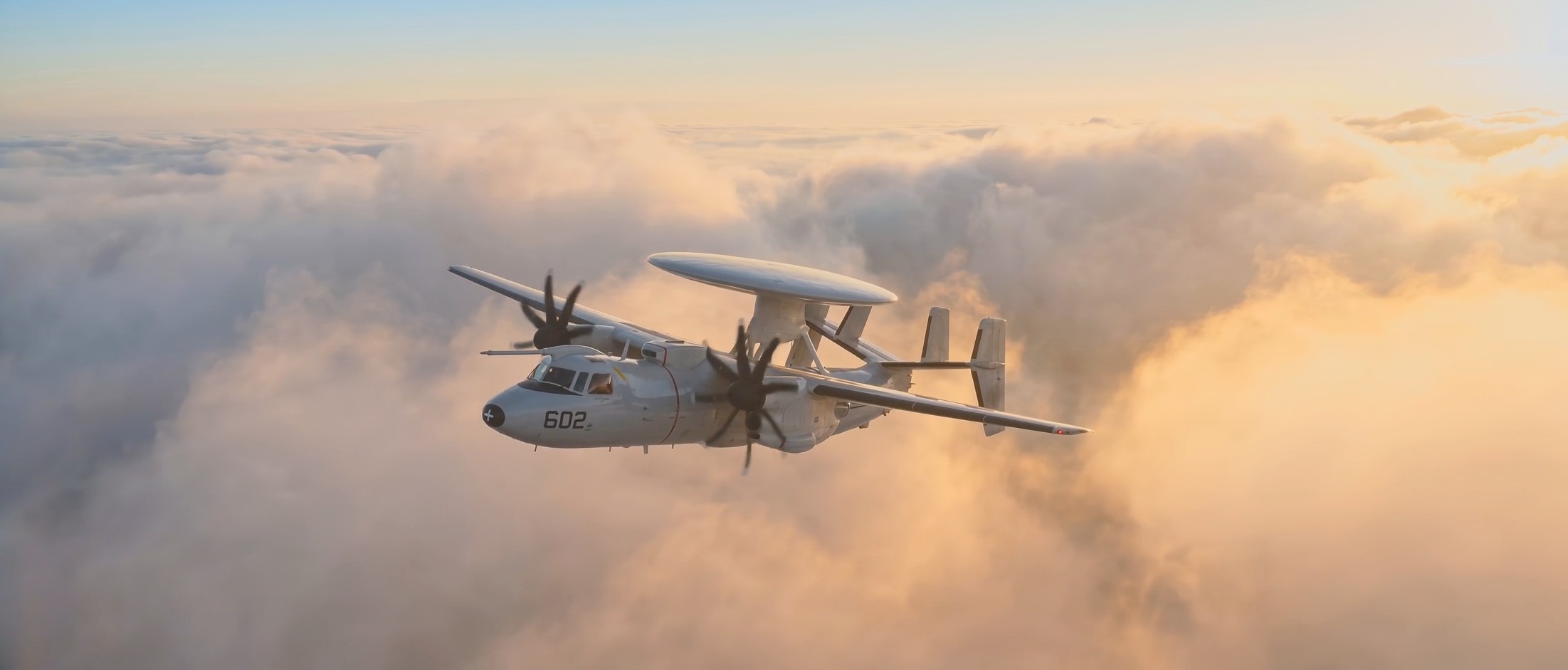
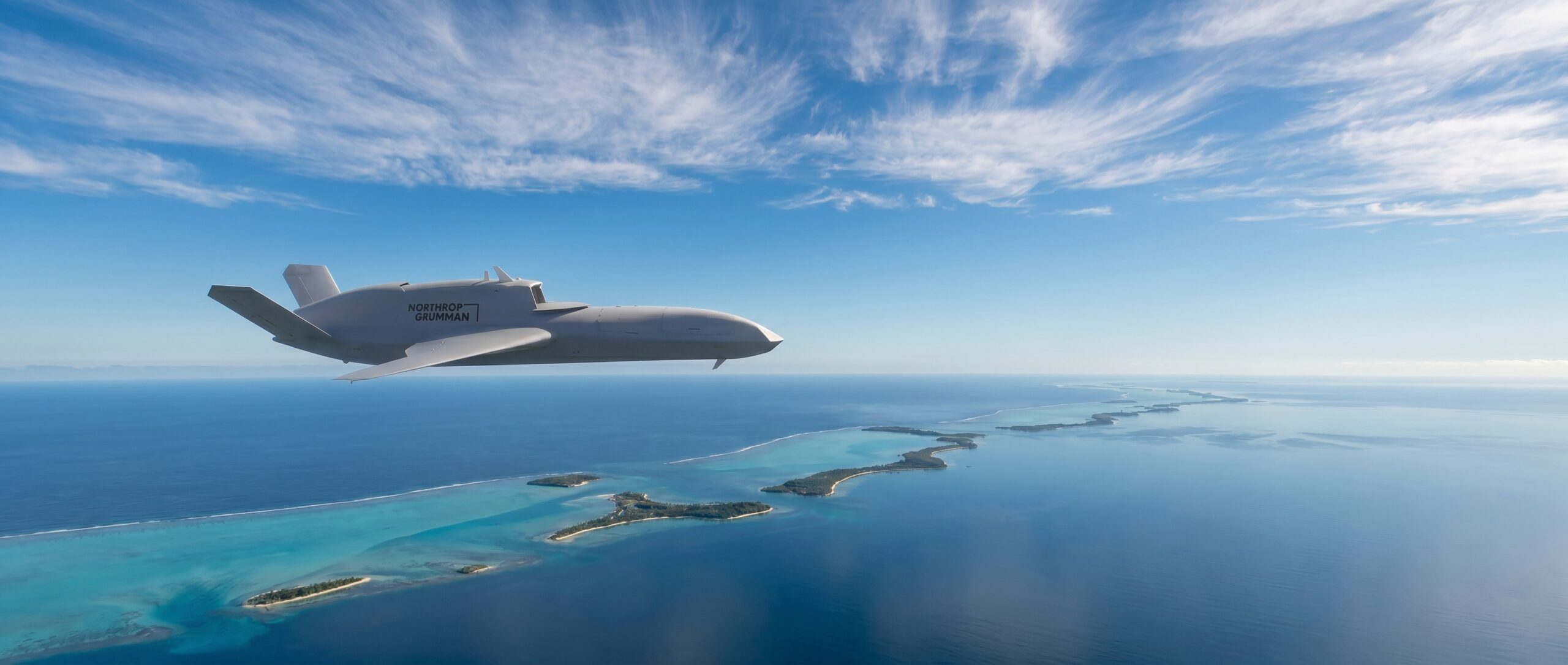
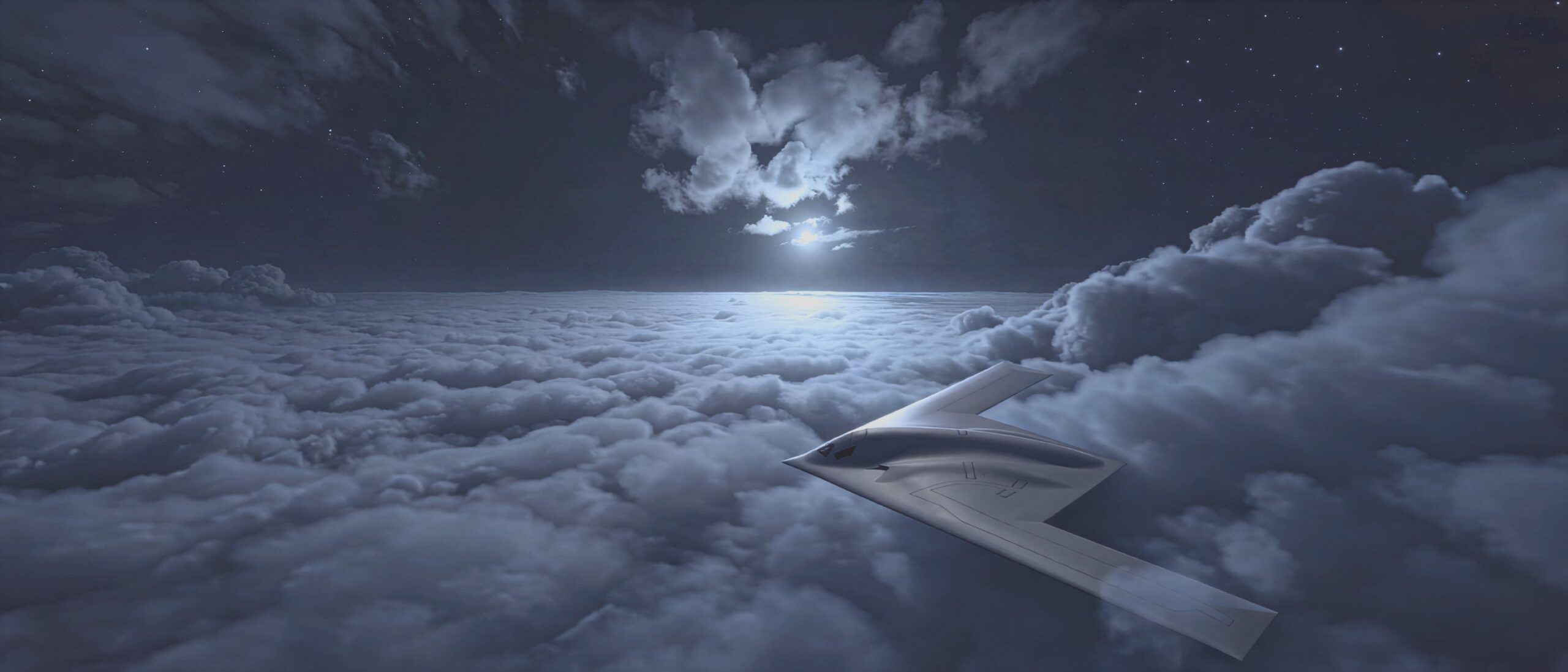
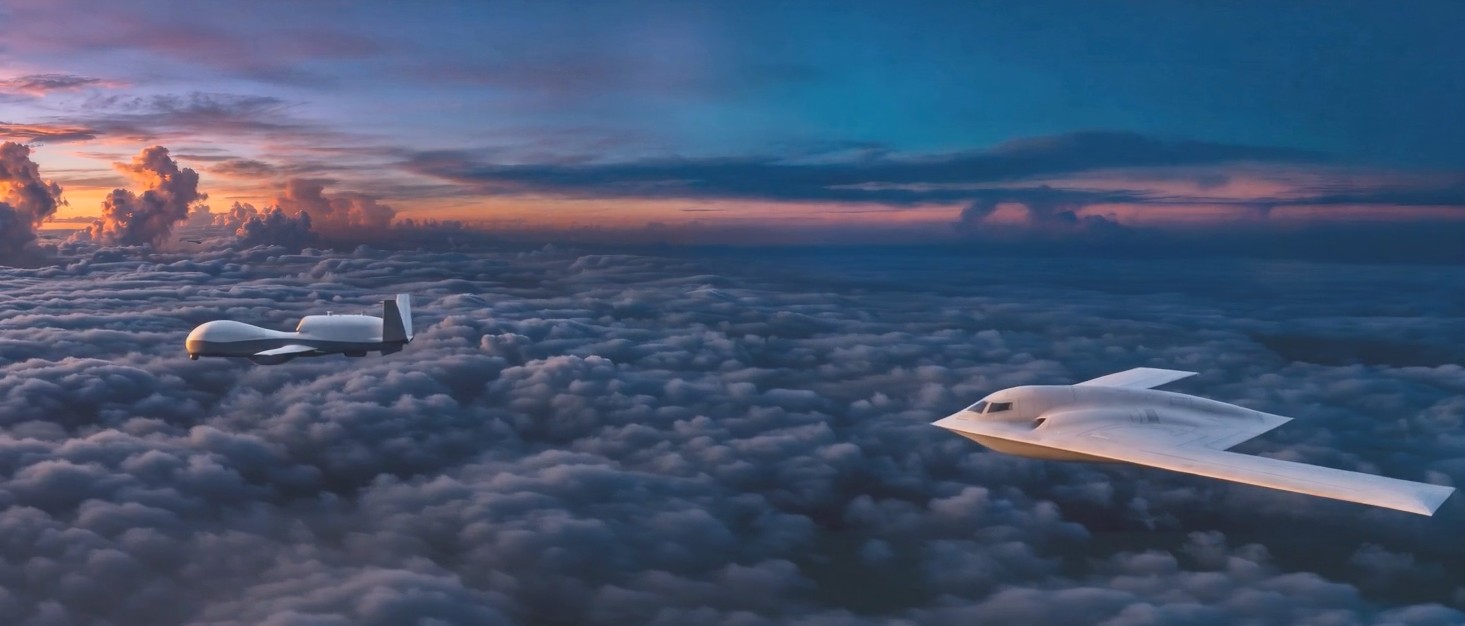
Led by the brilliant Akira Thompson and Kara Weinhart Tansel, artists Jason Goodman, Leah Kallins, Gene Nazarov, Michael Chang, myself and a few others utilized a combination of traditional techniques alongside generative AI to bring this to life. The goal was to create a series of videos that would be projected across LED screens that would line 3 walls of a roughly 50 x 15 ft cylindrical room that guests could enter and experience sorties and flybys of 4 NG aircraft. The Talon, The Triton, the E2D, and the B21 Raider. The room would be fitted with a vibrating floor and fans, which would be connected to haptic controls to provide extra sensory entertainment such as wind gusts.
To start the process we had to quickly identify the issues we would run into using this hybrid workflow. The main issue we all saw immediately was that while it is easy to create AI videos of planes flying around, syncing them up over independent screens was going to be problematic. In many of our storyboards, a plane would fly “over or under” the platform, and appear on the other side. This timing had to be perfect for realism. We required the highest resolution possible, the best rendering capabilities, and the best prompt adherence we could achieve.
So as with most AI based projects, we began by creating stills. We utilized Nano Banana 2 and Pro, as well as Chat GPT 2 through the interface at Magnific and Runway. We produced hundreds of frames to capture the aircraft in beautiful lighting, and diverse environments.
In order to cement prompt adherence, we really needed to beef up reference. We treated every aircraft like a character. We made character sheets from various images of the vehicles, isolating them on a solid color background. We then had to create animation reference to establish timing. We did this by creating a 3 camera rig, and rendered low res animations out of Maya and Blender. Our goal was to essentially use the AI out puts as the render process. We utilized our Nano Banana images against the character sheets and animation reference, but we still needed to spell out timing in our prompts. We used Seedance 2 as our main model.
Then, utilizing a pixel accurate template, created a virtual room in After Effects to test out what was working and what was not. It was necessary to work out timing between the right, left and center screens. It was also necessary to see the presentation in terms of composition.
The result of three and a half weeks of production, a few hundred thousand tokens, and 30 iterations paid off. The project will be on display July 4th, 2026 in Washington DC.